How to Choose the Right Dump Truck for Construction and Mining Projects
Introduction
Dump trucks play an essential role in construction, mining, quarrying, and infrastructure development. From transporting soil and gravel at construction sites to moving large volumes of minerals and overburden in mining operations, these heavy-duty vehicles directly affect material handling efficiency, project productivity, and transportation costs.
However, choosing the right Dump Truck requires more than comparing vehicle prices or maximum payload capacities. Different projects involve different material types, terrain conditions, transportation distances, and operating requirements. A truck designed for highway transportation may not perform efficiently on rough mining roads, while a heavy-duty mining truck may be unsuitable for smaller construction projects with limited working space.
For construction contractors, mining companies, and equipment distributors, understanding truck configurations, technical specifications, operating costs, and maintenance requirements is essential to making an informed purchasing decision. This guide explores the key factors to consider when selecting a Dump Truck for construction and mining applications.
1. Understand Different Types of Dump Trucks and Their Applications
Selecting the appropriate Dump Truck type is the first step in equipment purchasing. Different configurations are designed to handle specific loads, terrain conditions, and transportation tasks. Understanding their characteristics helps buyers identify vehicles that match their project requirements.
Rigid Dump Trucks for Large-Scale Mining Operations
Rigid Dump Trucks are commonly used in open-pit mining, large quarries, and major earthmoving projects. Their rigid chassis structure provides stability when transporting heavy loads over established haul roads. These trucks generally feature high payload capacities, powerful engines, and heavy-duty drivetrains designed for continuous operation.
In mining applications, rigid Dump Trucks transport materials such as iron ore, coal, limestone, and overburden between excavation areas and processing facilities. Their large carrying capacity helps reduce the number of transportation cycles required for high-volume material handling.
When evaluating a rigid Dump Truck, buyers should pay particular attention to payload capacity, engine output, braking performance, tire specifications, and compatibility with the site's loading equipment.
Articulated Dump Trucks for Uneven Construction Terrain
Articulated Dump Trucks feature a flexible joint connecting the front cab and rear dump body. This design allows the two sections to move independently, improving maneuverability and maintaining traction on uneven surfaces.
These vehicles are particularly suitable for construction sites, forestry operations, infrastructure projects, and mining environments with muddy, rocky, or irregular terrain. Their articulated steering system allows them to navigate tighter spaces and challenging ground conditions compared with many conventional rigid configurations.
Buyers should evaluate articulation performance, traction control, suspension design, ground clearance, and payload capacity when selecting an articulated Dump Truck.
Standard Dump Trucks for General Construction Projects
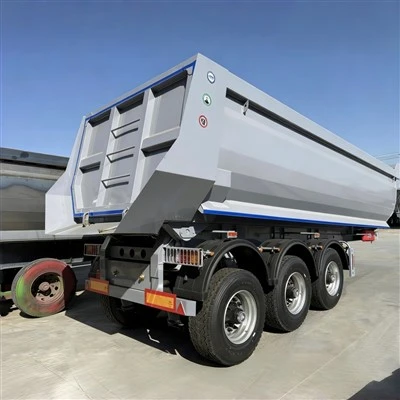
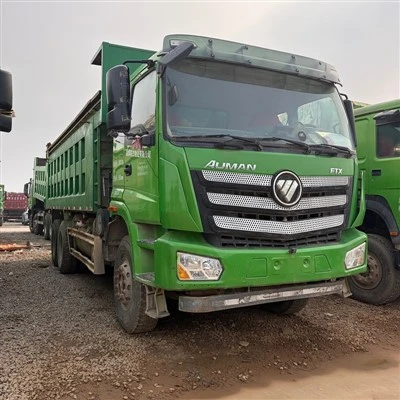
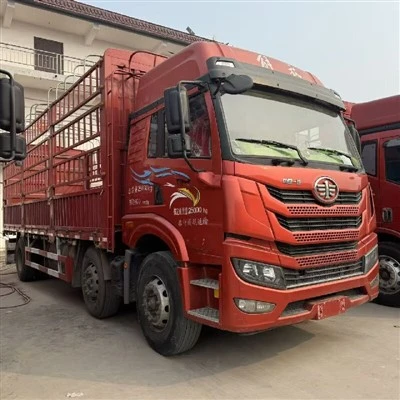
Standard Dump Trucks are widely used in road construction, residential development, building projects, and municipal engineering. They typically feature a truck chassis with a hydraulically operated dump body for transporting and unloading materials.
Common applications include moving sand, gravel, soil, crushed stone, demolition waste, and other construction materials. Their versatility makes them suitable for contractors handling different types of transportation tasks across multiple project sites.
When purchasing a standard Dump Truck, consider body dimensions, payload ratings, axle configuration, engine performance, and compatibility with local road regulations.
Specialized Dump Trucks for Specific Working Conditions
Some construction and mining projects require specialized Dump Truck configurations to handle unusual operating conditions. Underground mining trucks, for example, are designed with compact dimensions and maneuverability for restricted underground environments.
Off-road Dump Trucks are developed for demanding terrain and heavy-duty transportation, while other specialized configurations may incorporate reinforced bodies or equipment designed for particular materials.
The right configuration depends on project scale, material characteristics, site accessibility, and transportation requirements. Buyers should evaluate the actual working environment before selecting specialized equipment.
2. Evaluate Key Dump Truck Specifications and Technical Performance
Technical specifications determine whether a Dump Truck can meet the transportation demands of a project. Buyers should examine the relationship between payload, engine performance, hydraulic capacity, and vehicle configuration rather than evaluating individual parameters in isolation.
Payload Capacity and Gross Vehicle Weight
Payload capacity is one of the most important specifications when selecting a Dump Truck. It determines how much material the vehicle can transport during each operating cycle.
Buyers should distinguish between rated payload capacity and gross vehicle weight rating (GVWR). Payload refers to the permitted cargo weight, while GVWR represents the maximum permitted total vehicle weight, including the vehicle itself, cargo, fuel, and other applicable loads.
The required capacity depends on material density, transportation distance, loading equipment, and project productivity targets. For example, transporting lightweight soil requires a different loading strategy from moving dense minerals or crushed rock.
Selecting a truck with insufficient payload capacity can increase the number of transportation cycles and reduce productivity. Conversely, using a vehicle that is unnecessarily large may increase acquisition costs, fuel consumption, and maintenance expenses.
Engine Power and Transmission Performance
Engine power and torque influence a Dump Truck's ability to carry heavy loads, climb gradients, and maintain consistent performance under demanding conditions.
Construction and mining buyers should consider engine output, torque characteristics, cooling capacity, fuel system performance, and transmission configuration. Projects involving steep haul roads, heavy materials, or continuous operation may require stronger powertrain configurations.
Transmission performance is equally important. A suitable transmission system helps transfer engine power efficiently and supports controlled vehicle movement under different load conditions.
Buyers should also consider the availability of engine components, maintenance support, and replacement parts when evaluating different powertrain options.
Hydraulic Lifting System and Dumping Efficiency
The hydraulic lifting system is responsible for raising the dump body and unloading transported materials. Its performance directly influences unloading efficiency and operating cycle time.
Important factors include hydraulic cylinder capacity, operating pressure, lifting stability, hydraulic pump performance, and dumping angle. These components should work together to provide smooth and controlled lifting under the vehicle's rated operating conditions.
For projects involving frequent unloading, a reliable hydraulic system can help reduce operational interruptions and improve material handling efficiency.
Buyers should inspect hydraulic cylinders, hoses, seals, connections, and control mechanisms. Signs of leakage, irregular lifting, or abnormal operating noise may indicate maintenance issues that require further investigation.
Tires, Suspension, and Drivetrain Configuration
Tires and suspension systems influence traction, load distribution, vehicle stability, and driving comfort. Their importance becomes especially clear in mining operations and construction sites with rough surfaces.
Buyers should consider tire size, load rating, tread pattern, and suitability for the intended terrain. Reinforced tires with appropriate tread designs may be necessary for rocky mining environments, while other configurations may be more suitable for prepared construction roads.
Suspension design should also match the expected load and operating conditions. Axle configuration and drivetrain options, including available all-wheel-drive systems, should be evaluated according to traction requirements and site accessibility.
3. Match Dump Truck Configuration with Project Requirements and Working Environments
Even a technically capable Dump Truck may deliver poor operating efficiency if its configuration does not match the actual project conditions. Buyers should evaluate material characteristics, road conditions, transportation distances, and daily workload before making a selection.
Select Dump Trucks According to Material Type and Load Characteristics
Different materials have different densities, moisture levels, and loading characteristics. These factors influence the amount of material a truck can carry within its rated payload limit.
For example, transporting sand, gravel, and soil requires consideration of material density and moisture content. Mining operations involving iron ore, coal, or limestone may require different dump body capacities and reinforced structures to handle heavier or abrasive materials.
The dump body should also be suitable for the transported material. Buyers should consider body volume, floor thickness, sidewall strength, material resistance, and unloading characteristics.
Matching the dump body with the material type helps improve loading efficiency and reduces unnecessary component wear.
Consider Terrain Conditions and Transportation Routes
Road conditions have a significant impact on Dump Truck performance. Construction projects may involve temporary access roads, muddy surfaces, steep gradients, and uneven ground, while mining operations often require vehicles to travel along designated haul roads under heavy loads.
Buyers should assess road gradients, turning radius, ground clearance, traction requirements, and average transportation distances. Trucks operating in mountainous areas may require stronger climbing performance and suitable braking systems, while vehicles working on soft ground may need configurations that provide better traction and ground pressure distribution.
Understanding the site layout and transportation routes before purchasing helps prevent equipment selection problems and improves overall operating efficiency.
Calculate Transportation Capacity and Daily Operating Requirements
Transportation productivity depends on more than the truck's rated payload. Loading time, travel distance, unloading time, return travel, and operating hours all influence the number of completed transportation cycles.
For example, a mining project with a long haul distance may require a different fleet configuration from a construction site where loading and unloading points are relatively close together.
Buyers should estimate the expected daily material volume and compare it with the practical transportation capacity of different Dump Truck configurations.
The calculation should also account for loading equipment compatibility, road congestion, scheduled maintenance, and operating conditions. This helps determine the appropriate fleet size and avoid unnecessary investment in vehicles that exceed actual project requirements.
Consider Climate and Environmental Conditions
Environmental conditions can affect engine performance, hydraulic operation, tire durability, and electrical system reliability.
In high-temperature regions, cooling system capacity and heat-resistant components deserve particular attention. In dusty mining environments, effective air filtration is essential to protect the engine and reduce premature wear.
For operations in cold climates, buyers should evaluate cold-start performance, lubrication requirements, battery specifications, and available heating systems. High-altitude projects may also require consideration of engine performance under reduced air density.
Selecting a Dump Truck that can operate reliably under local environmental conditions helps reduce unexpected maintenance and operational interruptions.
4. Assess Operating Costs, Maintenance Requirements, and Equipment Reliability
The purchase price is only one part of the total investment in a Dump Truck. Fuel consumption, maintenance expenses, spare parts availability, and equipment downtime can significantly influence long-term operating costs.
Compare Fuel Consumption and Operating Efficiency
Fuel is one of the largest recurring expenses for heavy-duty Dump Truck operations. Consumption depends on engine specifications, vehicle weight, payload, terrain, transportation distance, and driving conditions.
A truck with higher engine power may be necessary for demanding mining applications, but it should also provide appropriate performance under the expected workload. Buyers should avoid selecting engine configurations that are either insufficient for the required tasks or unnecessarily powerful for routine operations.
When comparing different vehicles, evaluate fuel consumption under comparable operating conditions rather than relying exclusively on manufacturer estimates.
Evaluate Maintenance Requirements and Component Service Life
Regular maintenance is essential for keeping a Dump Truck operational, particularly in projects involving heavy loads and continuous transportation.
Major maintenance areas include engine oil and filter replacement, transmission servicing, hydraulic system inspection, brake maintenance, tire checks, suspension inspection, and electrical system testing.
Buyers should also investigate the expected service intervals and replacement requirements of major components. A vehicle with accessible maintenance points and straightforward servicing procedures may help reduce workshop time and maintenance labor.
For used Dump Trucks, maintenance records and previous repair documentation are particularly important. These records provide useful information about component replacements, operating history, and potential future repair requirements.
Check Spare Parts Availability and Technical Support
Spare parts availability directly affects equipment downtime. A Dump Truck that requires specialized components with long delivery times may create significant operational difficulties, especially in remote construction and mining locations.
Before purchasing, investigate the availability of engine parts, transmission components, hydraulic cylinders, brake assemblies, tires, filters, and electrical components.
Technical support is another important consideration. Buyers should assess whether qualified technicians, maintenance facilities, and diagnostic services are accessible in the operating region.
For international buyers, suppliers with established export experience and reliable spare parts arrangements may provide additional support for long-term equipment operation.
Calculate the Total Cost of Ownership
Total cost of ownership provides a more comprehensive way to evaluate a Dump Truck investment. It includes the initial acquisition cost as well as the expenses required to operate and maintain the vehicle throughout its working life.
Major cost categories include vehicle purchase price, shipping and transportation, insurance, fuel, scheduled maintenance, replacement parts, labor, taxes, and depreciation.
For overseas purchases, buyers should also consider customs clearance, import duties, registration fees, and any modifications required to meet local regulations.
Comparing total ownership costs helps businesses identify equipment that offers a reasonable balance between purchase price, transportation capacity, operating efficiency, and expected service life.
5. Evaluate Dump Truck Suppliers and Complete the Purchasing Process
Choosing a reliable supplier is just as important as selecting the right vehicle. For international buyers, supplier experience, product information transparency, quality inspection, and delivery arrangements can all influence the success of a purchasing transaction.
Review Supplier Experience and Manufacturing Capabilities
Buyers should investigate a supplier's experience in the commercial vehicle and heavy equipment industry. Important considerations include business history, product range, manufacturing or sourcing capabilities, quality management procedures, and international market experience.
For manufacturers, production facilities, component sourcing arrangements, assembly processes, and product testing capabilities can help buyers assess production consistency.
For used equipment suppliers, vehicle sourcing channels, inspection procedures, and maintenance documentation deserve particular attention.
Previous export experience can also be valuable because international transactions involve additional requirements related to vehicle documentation, shipping, and destination-market regulations.
Verify Technical Specifications and Quality Inspection Standards
Before confirming an order, request detailed technical specifications and supporting documentation. Buyers should verify payload capacity, engine power, transmission type, dump body dimensions, hydraulic configuration, axle arrangement, and other important parameters.
For new Dump Trucks, relevant checks may include component configuration, assembly quality, functional testing, hydraulic operation, braking performance, and final inspection records.
For used Dump Trucks, buyers should additionally examine vehicle age, mileage, engine condition, transmission performance, chassis integrity, tire wear, and previous maintenance history.
Where possible, arrange an independent inspection or request detailed photographs and operating videos to confirm that the actual vehicle matches the supplier's description.
Compare Quotations, Warranty Terms, and After-Sales Services
Different suppliers may offer vehicles with different component configurations, equipment packages, and service arrangements. Therefore, buyers should compare quotations based on the complete product specification rather than the headline price alone.
Clarify which components and accessories are included, whether additional equipment is available, and what warranty coverage applies. Buyers should also confirm the supplier's procedures for handling technical problems, replacement parts, and after-sales inquiries.
Payment schedules, delivery responsibilities, inspection requirements, and contractual obligations should be clearly documented before placing an order.
Consider International Shipping and Import Requirements
International Dump Truck procurement involves additional logistical and regulatory considerations. Buyers should confirm the destination country's requirements for vehicle imports, emission standards, technical certification, registration, and roadworthiness inspections.
Depending on the transaction, relevant export and shipping documents may include commercial invoices, sales contracts, vehicle ownership documents, export declarations, customs documentation, and bills of lading.
Shipping methods should be selected according to vehicle dimensions, weight, destination port facilities, transportation costs, and delivery schedules.
Buyers should also clarify insurance coverage, loading arrangements, customs clearance responsibilities, and any additional charges before shipment. Verifying these details in advance helps reduce unexpected expenses and delivery delays.
Conclusion
Choosing the right Dump Truck for construction and mining projects requires a comprehensive understanding of vehicle configurations, technical specifications, working environments, and long-term operating requirements.
Rigid Dump Trucks are generally suitable for large-scale mining operations with heavy transportation demands, while articulated Dump Trucks offer greater flexibility on uneven construction terrain. Standard and specialized configurations serve different material handling and project requirements.
Beyond vehicle type, buyers should carefully evaluate payload capacity, engine performance, hydraulic lifting systems, tires, suspension, fuel consumption, and maintenance requirements. Matching these specifications with actual site conditions is essential for achieving efficient transportation and controlling operating expenses.
Supplier reliability, product inspection, spare parts availability, warranty arrangements, and international shipping requirements should also be included in the purchasing evaluation.
Ultimately, the right Dump Truck is not necessarily the largest or least expensive option. It is the vehicle that best matches the project's material transportation needs, operating environment, productivity targets, and long-term budget. By conducting a thorough assessment before purchasing, global construction and mining businesses can make more informed equipment investments and support reliable project operations.