What to Look for When Buying Used Trucks for Commercial and Industrial Operations
Introduction
Purchasing a used truck can be a practical solution for businesses looking to expand their fleets, replace aging vehicles, or manage transportation costs without making the larger investment required for new equipment. Across industries such as construction, logistics, mining, agriculture, and manufacturing, used trucks provide essential transportation capacity for moving materials, delivering goods, and supporting daily operations.
However, buying a used truck involves more than comparing prices and vehicle specifications. Previous operating conditions, maintenance history, mechanical performance, load capacity, and regulatory requirements can all affect its suitability for commercial use. A truck with a competitive purchase price may still create significant expenses if major components require replacement or the vehicle does not meet the demands of its intended working environment.
For fleet managers, distributors, importers, and industrial buyers, a systematic evaluation process is essential. Understanding what to inspect, which specifications matter, and how to assess suppliers can help reduce purchasing risks and improve long-term fleet performance.
1. Evaluate the Mechanical Condition and Maintenance History
The mechanical condition of a used truck directly affects its operating reliability, maintenance requirements, and expected service life. Buyers should examine the major vehicle systems rather than relying solely on appearance or the seller's description.
Engine and Transmission Performance
The engine is one of the most important components to inspect when purchasing a used truck. Buyers should check starting performance, engine noise, exhaust emissions, oil consumption, and potential signs of coolant or lubricant leakage. Excessive smoke, irregular idling, unusual vibration, or overheating may indicate underlying mechanical problems.
The transmission and drivetrain also require careful evaluation. Check whether gears shift smoothly, whether the clutch operates correctly, and whether there are unusual noises during acceleration or deceleration. For heavy-duty trucks, the condition of the differential, drive shafts, and related components should also be considered.
Where possible, arrange a cold start and a road test to evaluate the engine and transmission under actual operating conditions.
Mileage and Maintenance Records
Mileage provides useful information about how much a truck has been used, but it should never be treated as the only indicator of vehicle condition. A high-mileage truck with consistent maintenance may be a more reliable purchase than a lower-mileage vehicle with an unclear service history.
Ask the supplier for available maintenance records, previous repair invoices, oil change history, and records of major component replacements. Buyers should also check whether the recorded mileage is consistent with the vehicle's overall wear, including the steering wheel, pedals, seats, and other frequently used components.
A documented maintenance history helps buyers understand previous operating conditions and estimate future servicing requirements.
Chassis, Suspension, and Braking System
Commercial trucks frequently operate under heavy loads and demanding road conditions. These working conditions can accelerate wear on the chassis, suspension, axles, and braking components.
Inspect the chassis for corrosion, cracks, deformation, and signs of previous structural repairs. Check suspension components, leaf springs, shock absorbers, wheel bearings, and tires for excessive wear or damage.
The braking system deserves particular attention. Depending on the truck configuration, buyers should examine brake pads, discs, drums, air brake components, hoses, and related connections. Any signs of leakage, uneven braking, or abnormal wear should be investigated before purchase.
2. Choose a Used Truck That Matches Your Business Requirements
Not every used truck is suitable for every commercial or industrial application. Selecting the right vehicle configuration is essential for achieving efficient transportation, maintaining productivity, and avoiding unnecessary operating expenses.
Select the Appropriate Truck Type and Configuration
Different business operations require different truck designs and equipment configurations. Common commercial truck categories include:
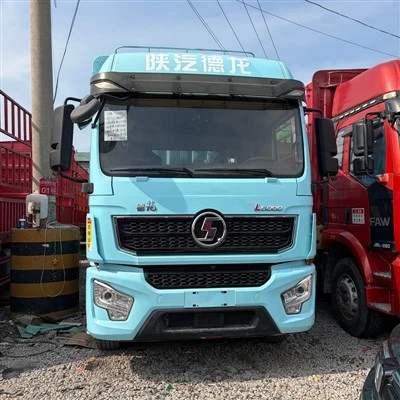
Tractor Trucks: Designed to pull semi-trailers and transport heavy cargo over medium and long distances. They are commonly used in logistics, freight transportation, and distribution networks.
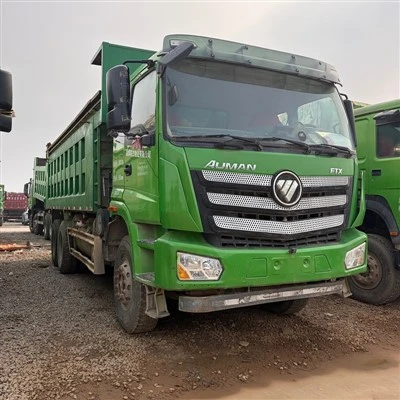
Dump Trucks: Equipped with hydraulic lifting systems for unloading bulk materials such as sand, gravel, soil, and construction waste. They are widely used in construction, mining, and infrastructure projects.
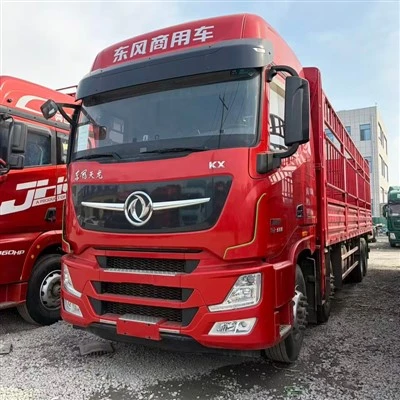
Cargo Trucks: Suitable for transporting packaged goods, industrial materials, and general freight. Body configurations vary according to cargo dimensions and transportation requirements.
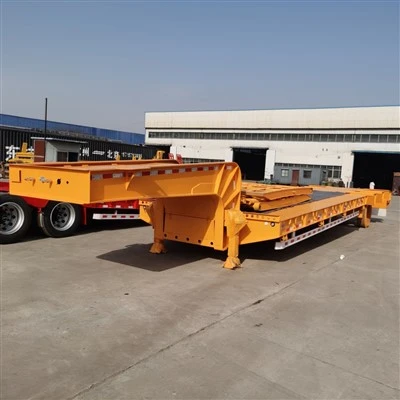
Flatbed Trucks: Designed to carry oversized or irregularly shaped cargo, including steel products, construction materials, and industrial equipment.
Specialized Trucks: Include vehicles configured for particular tasks, such as refrigerated transportation, fuel delivery, and other industry-specific operations.
Before purchasing, consider the type of cargo, transportation distance, loading and unloading requirements, and working environment. Matching the truck configuration to actual business needs helps prevent capacity limitations and unnecessary equipment expenses.
Verify Payload Capacity and Weight Ratings
Load capacity is another essential consideration when evaluating a used truck. Buyers should review the gross vehicle weight rating (GVWR), rated payload capacity, axle configuration, and applicable weight restrictions.
The vehicle must be capable of carrying the intended cargo without exceeding its rated limits. Overloading can accelerate wear on tires, suspension components, axles, and braking systems. It may also create safety risks and lead to regulatory penalties.
For businesses transporting heavy industrial materials or construction equipment, axle distribution and load stability are particularly important. Buyers should verify the vehicle's original specifications and ensure that its current configuration remains suitable for the intended application.
Consider Road Conditions and Working Environments
The operating environment has a significant influence on truck selection. A vehicle primarily used for highway transportation may have different requirements from one operating on construction sites, mining roads, or uneven industrial terrain.
For long-distance transportation, factors such as highway performance, fuel efficiency, cab comfort, and drivetrain condition deserve attention. For construction and mining operations, ground clearance, traction, suspension strength, tire specifications, and drivetrain configuration may be more important.
Buyers should also consider climate and environmental conditions. High temperatures, dust, humidity, and rough roads can affect engine cooling, air filtration, electrical systems, and component wear.
Assess Fuel Efficiency and Operational Productivity
Fuel consumption is a major recurring expense for commercial fleets. When comparing used trucks, buyers should consider engine specifications, vehicle weight, transmission type, load capacity, and expected operating distances.
Fuel efficiency should be evaluated in relation to the truck's intended workload. A vehicle with a larger engine may be necessary for heavy-duty applications, while a smaller configuration may be more appropriate for lighter transportation tasks.
The objective is to select a truck that provides sufficient operating capacity without creating unnecessary fuel consumption or reducing transportation efficiency.
3. Check Safety Systems, Regulatory Compliance, and Ownership Costs
A used truck must not only perform well mechanically but also satisfy the safety and regulatory requirements of its operating market. Buyers should evaluate both the vehicle's current condition and the costs associated with keeping it roadworthy.
Inspect Essential Safety Equipment
Before completing a purchase, check the condition and functionality of essential safety systems, including:
- Braking systems, including ABS where equipped
- Steering components and suspension systems
- Headlights, brake lights, turn signals, and warning lights
- Mirrors, windshield, and windshield wipers
- Seat belts and cab safety equipment
- Tires, wheel condition, and other relevant safety components
For trucks equipped with electronic safety systems, diagnostic checks may help identify stored fault codes or malfunctioning components.
A professional inspection is recommended when the vehicle will be used for heavy-duty transportation or demanding industrial operations.
Verify Emission Standards and Local Regulations
Emission requirements, vehicle age restrictions, and import regulations vary between countries and regions. A used truck that is acceptable in one market may not be eligible for registration or road use in another.
Before placing an order, buyers should confirm the destination market's requirements for engine emission classifications, vehicle age, roadworthiness inspections, registration, and import eligibility.
They should also verify whether the vehicle's technical specifications and supporting documents meet local transportation regulations. Confirming these requirements before shipment can help prevent customs delays, unexpected modification expenses, or import restrictions.
Calculate the Total Cost of Ownership
The purchase price represents only part of the total investment involved in acquiring a used truck. Businesses should calculate the expected total cost of ownership (TCO) before making a final decision.
Important cost categories include:
- Initial vehicle purchase price
- Pre-purchase inspection and necessary repairs
- International transportation and shipping insurance
- Import duties, taxes, and customs clearance fees
- Registration and licensing expenses
- Fuel, lubricants, and routine maintenance
- Spare parts and unexpected repair costs
A lower-priced vehicle may require substantial repairs after delivery, making it more expensive over its operating life. Comparing the estimated ownership costs of several suitable vehicles provides a more realistic basis for purchasing decisions.
Check Spare Parts Availability and Maintenance Support
Spare parts availability is particularly important for businesses operating fleets in remote locations or regions with limited commercial vehicle service facilities.
Before selecting a used truck, investigate the availability of replacement components for the engine, transmission, braking system, suspension, and electrical equipment. Buyers should also consider whether local workshops have the technical knowledge and diagnostic equipment required to maintain the vehicle.
Choosing a truck model with accessible parts and established maintenance support can help reduce downtime and simplify long-term fleet management.
4. Evaluate the Used Truck Supplier and International Purchasing Conditions
Vehicle condition is only one part of a successful transaction. The supplier's business experience, information transparency, inspection arrangements, and export capabilities also influence purchasing security, especially for overseas buyers.
Research Supplier Experience and Business Credentials
When sourcing a used truck, buyers should investigate the supplier's experience in commercial vehicle sales and international transactions.
Check the company's business registration, operating history, available export documentation, and customer references. Previous experience supplying vehicles to the destination market can be an advantage because the supplier may be more familiar with local vehicle requirements and shipping procedures.
Buyers should also review the supplier's communication quality and willingness to provide detailed vehicle information. Transparent communication is an important factor when evaluating a potential business partner.
Request Detailed Vehicle Information and Inspection Evidence
Before making a purchasing decision, request a complete set of available vehicle information, including:
- Make, model, manufacturing year, and VIN or chassis number
- Engine type, rated power, and transmission configuration
- Mileage and available maintenance records
- Payload capacity and gross vehicle weight rating
- Exterior, interior, chassis, and component photographs
- Engine operation and road-test videos, where available
- Previous inspection reports and repair documentation
For international purchases, clear photographs and videos are particularly useful because buyers may not be able to inspect the vehicle in person.
Where necessary, arrange an independent third-party inspection to verify that the vehicle's actual condition matches the supplier's description.
Clarify Pricing, Warranty, and Contract Terms
Before confirming an order, ensure that all commercial terms are clearly documented.
The quotation should identify the vehicle configuration, included equipment, vehicle condition, and any additional charges. Buyers should also clarify payment schedules, delivery responsibilities, warranty coverage if offered, and procedures for addressing discrepancies or undisclosed defects.
The sales contract should specify the vehicle identification details, agreed specifications, inspection arrangements, payment terms, and delivery conditions. Clear contractual terms help reduce misunderstandings during international transactions.
Understand Export Documentation and Shipping Arrangements
For cross-border purchases, buyers must consider transportation, customs clearance, and destination-country import requirements.
Depending on the transaction and destination market, relevant documents may include:
- Commercial invoice
- Sales contract
- Vehicle ownership or registration documents
- Export declaration and customs documentation
- Bill of lading or other transport documents
- Inspection and compliance certificates, where required
Buyers should confirm the required documentation with the supplier, shipping agent, and relevant customs authorities before shipment.
Shipping arrangements should also be discussed in advance, including transportation methods, loading procedures, insurance coverage, estimated transit time, and destination port responsibilities.
5. Complete a Final Inspection Before Confirming the Purchase
Even after reviewing the specifications, maintenance history, and supplier information, a final verification process remains important. This step helps buyers confirm that the selected used truck is suitable for its intended business application.
Arrange a Professional Pre-Purchase Inspection
Whenever possible, arrange an independent technical inspection before completing payment or authorizing shipment.
The inspection should cover the engine, transmission, drivetrain, chassis, suspension, braking system, tires, electrical equipment, and other major components. A road test can provide additional information about acceleration, steering response, braking performance, and transmission operation.
For trucks intended for specialized industrial applications, additional checks may be necessary to verify equipment functionality and compatibility with the planned workload.
Compare Different Used Truck Options
Avoid making a purchasing decision based solely on the lowest quotation. Compare several vehicles based on their manufacturing year, mileage, mechanical condition, specifications, maintenance records, and estimated repair requirements.
A comparison should also consider whether each truck can meet the operational demands of the business. For example, a vehicle with a suitable payload rating and reliable mechanical condition may provide better long-term value than a cheaper alternative with limited capacity or significant component wear.
The best option is the vehicle that offers an appropriate balance between acquisition cost, operational suitability, maintenance requirements, and expected service life.
Confirm Vehicle Details and Delivery Arrangements
Before finalizing the transaction, verify that the vehicle identification number, specifications, condition reports, and agreed equipment match the sales contract.
Confirm the payment schedule, shipping arrangements, insurance responsibilities, required export documents, and estimated delivery schedule. Buyers should retain copies of inspection reports, contracts, invoices, and shipping documents for future reference.
Completing these checks helps establish a clear record of the transaction and provides useful documentation for subsequent fleet management.
Conclusion
Buying a used truck for commercial and industrial operations requires a comprehensive evaluation of vehicle condition, technical specifications, working requirements, safety systems, and long-term ownership costs. Engine performance, transmission condition, maintenance history, chassis integrity, and load capacity should all be examined before making a purchasing decision.
Businesses should also consider the availability of spare parts, local regulatory requirements, supplier reliability, and international shipping arrangements. These factors can significantly influence the actual cost and practicality of acquiring a used commercial vehicle.
Rather than focusing exclusively on the initial purchase price, global buyers should prioritize vehicles that match their operational needs and offer a reasonable balance between cost, reliability, and maintenance requirements.
With proper inspection, careful supplier evaluation, and clear purchasing agreements, a well-selected used truck can become a valuable addition to a commercial fleet, supporting transportation efficiency and industrial operations while helping businesses manage their vehicle acquisition budgets.