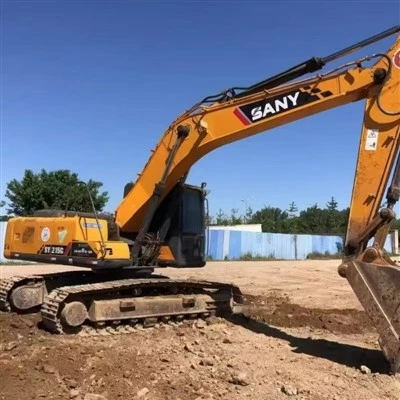
Excavator Specifications Explained: Engine Power, Operating Weight, and Digging Force
Introduction: Why Excavator Specifications Matter When Choosing Construction Equipment
Excavator specifications play a critical role in determining whether a machine can meet the demands of a construction, mining, earthmoving, or infrastructure project. For equipment buyers, contractors, fleet operators, and international distributors, understanding the technical parameters of an excavator is essential before making a purchasing decision.
Among the many specifications listed in an excavator product sheet, engine power, operating weight, and digging force are three of the most important indicators of machine performance. Engine power affects the machine's ability to operate hydraulic systems and handle demanding workloads. Operating weight influences stability, ground pressure, transportation requirements, and working capacity. Digging force determines how effectively an excavator can penetrate soil, break through compacted materials, and handle excavation tasks.
However, these specifications should not be evaluated independently. A machine with higher engine power does not necessarily deliver better productivity in every application, while a heavier excavator may not be suitable for projects with limited working space or weak ground conditions. Buyers need to understand how these technical parameters interact and how they relate to actual operating requirements.
This guide explains the key Excavator specifications that buyers should understand, how engine power, operating weight, and digging force affect performance, and what additional technical factors should be considered when comparing different excavator models.
1. Understanding Excavator Engine Power and Its Impact on Operating Performance
Engine power is one of the fundamental Excavator specifications because it determines the mechanical energy available to drive the machine's operating systems. However, the relationship between engine output and actual working performance involves several factors, including hydraulic efficiency, engine torque, fuel consumption, and the coordination of different machine functions.
What Is Excavator Engine Power?
Excavator engine power refers to the mechanical output produced by the engine to support machine operation. It is commonly expressed in kilowatts (kW) or horsepower (HP).
The engine supplies power to the hydraulic pump and other auxiliary systems. Hydraulic energy is then used to operate the boom, arm, bucket, swing mechanism, and travel motors.
When reviewing an Excavator specification sheet, buyers should distinguish between gross engine power and net engine power. Gross power generally represents engine output measured under specified test conditions before certain accessory losses are deducted. Net power reflects output after the applicable accessories and operating requirements are taken into account, depending on the measurement standard.
Comparing these figures without checking their definitions can lead to inaccurate assessments of different excavator models.
How Engine Power Affects Excavator Productivity
Engine power influences an excavator's ability to perform demanding operations, especially when the machine works with heavy materials, deep excavation, or continuous hydraulic movements.
A suitable power output helps maintain working performance when several functions operate simultaneously. For example, during a typical excavation cycle, the machine may need to lift the boom, retract the arm, curl the bucket, and rotate the upper structure.
Insufficient available power may affect the machine's ability to maintain consistent performance under heavy loads. However, higher engine power alone does not guarantee faster excavation cycles or greater productivity. Hydraulic system design, pump capacity, control technology, machine weight, and operator skills also influence the final result.
Buyers should therefore evaluate engine power together with the excavator's hydraulic specifications and intended working conditions.
Engine Torque, Fuel Efficiency, and Load Adaptability
Engine torque is another important factor when assessing Excavator performance. While power indicates the rate at which work can be performed, torque describes the rotational force available from the engine.
A suitable torque characteristic helps the engine respond to changing operating loads. This is particularly relevant when an excavator works in demanding conditions such as digging compacted soil, moving heavy materials, or operating continuously under variable hydraulic loads.
Fuel efficiency should also be considered alongside engine output. An excavator with an appropriate engine and well-matched hydraulic system can deliver the required working performance without unnecessary fuel consumption.
Buyers comparing different models should examine the following information:
- Rated engine power and the corresponding rated speed.
- Maximum engine torque and its operating speed.
- Engine displacement and cylinder configuration.
- Fuel consumption under specified operating conditions.
- Applicable emission compliance and engine technology.
- Availability of engine service and replacement components.
The objective is to select an engine configuration that matches the required workload rather than simply choosing the model with the highest power rating.
Choosing the Right Engine Power for Different Excavator Applications
Different projects require different levels of engine performance. Compact excavators used for landscaping, residential construction, and utility installation generally have different power requirements from large crawler excavators used in mining or major earthmoving projects.
For urban construction, buyers may prioritize a balance between operating capability, fuel consumption, and machine dimensions. For quarrying and mining, higher power output may be necessary to support demanding excavation cycles and heavy-duty attachments.
Infrastructure projects may require machines that can operate for extended periods under changing workloads. In these cases, engine reliability, cooling performance, and maintenance accessibility are also important.
The right engine power should be determined according to material characteristics, digging depth, bucket capacity, working hours, and expected production requirements.
2. Excavator Operating Weight: Stability, Ground Pressure, and Transportation Considerations
Operating weight is a major Excavator specification that affects machine stability, traction, transportation, and suitability for different job sites. Buyers should understand how operating weight is defined and how it relates to the excavator's overall design.
What Does Excavator Operating Weight Include?
Operating weight generally refers to the weight of a machine configured for operation under specified conditions. Depending on the manufacturer's definition and the applicable measurement standard, it may include the machine's standard equipment, working attachment, fluids, fuel, and operator allowance.
Because configurations differ, buyers should always check the manufacturer's stated operating weight and the conditions under which it is measured.
Two excavators with similar engine power may have noticeably different operating weights due to differences in undercarriage design, counterweight configuration, boom and arm dimensions, bucket capacity, and structural materials.
Operating weight should therefore be compared together with the complete machine configuration rather than as an isolated number.
How Operating Weight Affects Machine Stability
An excavator must maintain sufficient stability while digging, lifting, swinging, and handling materials. Its operating weight, center of gravity, counterweight, undercarriage dimensions, and attachment configuration all contribute to overall stability.
A heavier machine may provide a larger stability margin in certain working configurations, particularly when handling heavier loads. However, stability cannot be determined by operating weight alone.
For example, a long-reach excavator may have a different load distribution from a standard digging excavator of similar weight. A machine using a large attachment may also have different stability requirements from one using a standard bucket.
Buyers should examine the manufacturer's lifting capacity charts and operating instructions when evaluating material-handling requirements. Rated lifting capacity depends on factors such as working radius, boom and arm position, ground conditions, and machine configuration.
Ground Pressure and Different Working Surfaces
Ground pressure is another important consideration related to excavator weight. It describes the pressure exerted by the machine on the ground through its contact area.
A machine with greater operating weight may generate higher ground pressure if its contact area does not increase proportionally. This can create difficulties when working on soft soil, muddy terrain, or other surfaces with limited load-bearing capacity.
Crawler excavators often use track systems to distribute machine weight over a relatively large contact area. This can help improve traction and reduce ground pressure compared with certain wheeled configurations.
However, actual ground pressure depends on the machine's weight, track dimensions, contact length, and operating conditions.
For projects involving soft ground or sensitive surfaces, buyers should pay attention to:
- Total operating weight.
- Track width and track contact length.
- Ground pressure specifications.
- Undercarriage configuration.
- Site bearing capacity and soil conditions.
Selecting an excavator with suitable ground contact characteristics can help reduce sinking, excessive ground disturbance, and operational difficulties.
How Operating Weight Influences Excavator Transportation
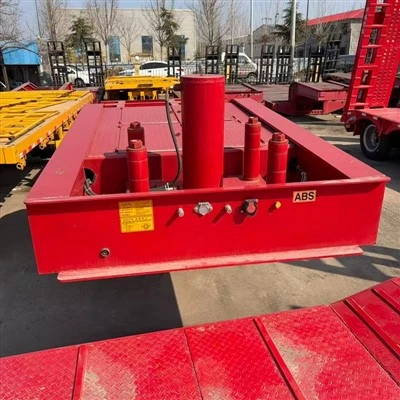
Operating weight also affects logistics and transportation planning. Heavy excavators may require specialized low-bed semi trailers, suitable loading equipment, and route arrangements that comply with local transportation regulations.
Buyers importing excavators should consider the complete transportation weight, including the machine, attachments, and any components shipped separately.
Transportation planning should account for road weight restrictions, axle-load limits, bridge capacity, vehicle dimensions, and any special permits required for oversized or overweight cargo.
For equipment distributors and contractors purchasing several machines, the transportation method can also influence delivery schedules and overall procurement expenses.
Before confirming an order, buyers should request accurate machine dimensions and shipping weights from the manufacturer. This information helps logistics providers determine the appropriate transport configuration and avoid unexpected loading or delivery problems.
Comparing Mini, Medium, and Large Excavator Weight Classes
Excavators are commonly grouped into mini, medium, and large categories according to their operating weight and intended applications. Exact weight ranges vary by manufacturer and market, so buyers should use individual model specifications when making comparisons.
Mini excavators are commonly used for landscaping, residential construction, agricultural work, and utility installation. Their compact dimensions and relatively low operating weight make them suitable for restricted workspaces.
Medium excavators are widely used in general construction, road building, drainage projects, and material handling. They offer a balance between digging capacity, mobility, and working range.
Large excavators are generally designed for demanding earthmoving, quarrying, mining, and major infrastructure operations. Their greater operating weight and larger working equipment can support heavy-duty tasks, although they require more space and more complex transportation arrangements.
Choosing the appropriate weight class requires consideration of project scale, site access, soil conditions, and transportation limitations.
3. Excavator Digging Force: Understanding Bucket Force, Arm Force, and Excavation Capability
Digging force is a key indicator of an excavator's ability to penetrate and remove soil or other materials. It directly influences excavation performance, particularly when working with compacted soil, clay, gravel, or other materials that require greater force.
However, digging force is not represented by a single universal value. Buyers should understand the difference between bucket digging force and arm digging force and how both relate to the machine's working equipment.
What Is Bucket Digging Force?
Bucket digging force refers to the force generated at the bucket through the hydraulic system and linkage mechanism. It helps the bucket penetrate materials, break through compacted soil, and collect excavated material.
The bucket cylinder and linkage arrangement play important roles in generating and transmitting this force. The design of the bucket, its cutting edge, and its geometry also influence actual excavation performance.
Manufacturers generally provide bucket digging force as a technical specification, often expressed in kilonewtons (kN). However, the measurement conditions and applicable standards should be checked before comparing different models.
A higher bucket digging force can be beneficial when excavating dense or resistant materials, but it should be evaluated alongside bucket capacity, machine stability, and hydraulic performance.
What Is Arm Digging Force?
Arm digging force, sometimes referred to as dipper arm force, is generated through the arm cylinder and its linkage system.
It helps the excavator pull the arm toward the machine during excavation. This movement is important for breaking material resistance, drawing soil into the bucket, and completing the digging cycle.
Bucket force and arm force work together during excavation, but they serve different mechanical functions. A machine with strong bucket force may still have different arm performance depending on its hydraulic cylinder dimensions, linkage geometry, and working equipment design.
Buyers should review both values rather than using one digging-force figure to represent the machine's complete excavation capability.
How Hydraulic Pressure and Cylinder Design Determine Digging Force
Excavator digging force is closely related to hydraulic system performance and mechanical design.
Hydraulic pressure acts on the piston area inside the hydraulic cylinder to generate force. The linkage mechanism then transfers this force to the bucket or arm.
The relationship can be simplified as:
- F=P×A
- Where:
- F represents the theoretical cylinder force.
- P represents hydraulic pressure.
- A represents the effective piston area.
This relationship explains why hydraulic pressure and cylinder dimensions are important when evaluating an excavator's digging capability.
However, the actual force available at the bucket or arm also depends on linkage geometry, cylinder position, mechanical leverage, and hydraulic system losses.
A well-designed excavator coordinates hydraulic components and working equipment geometry to provide effective digging performance across its operating range.
How Digging Force Affects Different Excavation Materials
Different materials create different levels of resistance during excavation. Loose soil generally requires less digging force than compacted clay, dense gravel, or weathered rock.
For general earthmoving, a standard bucket configuration may provide sufficient performance. In quarrying or demanding excavation environments, buyers may need to consider stronger buckets, reinforced cutting edges, and suitable attachments.
When comparing Excavator specifications, it is important to match digging force with the actual material conditions.
For example, selecting a machine with a suitable bucket and arm force can improve excavation efficiency in dense soil. However, attempting to excavate hard rock with a standard earthmoving bucket may cause excessive wear or damage, even if the excavator has relatively high digging force.
Buyers should also consider whether specialized attachments, such as hydraulic breakers or ripper attachments, are necessary for the intended work.
Digging Force, Bucket Capacity, and Cycle Time
Digging force should not be evaluated separately from bucket capacity and cycle time.
A larger bucket can move more material per cycle, but it may also require greater force to penetrate and fill when working in dense soil. If the bucket is too large for the machine's hydraulic capability and operating conditions, excavation efficiency may decrease.
Cycle time refers to the time required to complete a working sequence, typically involving digging, lifting, swinging, dumping, and returning to the digging position.
Actual productivity depends on the coordination of several factors:
- Bucket capacity and bucket design.
- Bucket and arm digging force.
- Hydraulic flow and pressure.
- Swing speed and working radius.
- Material density and resistance.
- Operator experience and site layout.
For procurement managers, the goal should be to identify a balanced excavator configuration that can maintain efficient excavation cycles under the expected working conditions.
4. Other Important Excavator Specifications Buyers Should Evaluate
Although engine power, operating weight, and digging force are central performance indicators, they do not provide a complete picture of an excavator's capabilities. Additional specifications help buyers assess working range, hydraulic compatibility, mobility, and long-term operating suitability.
Maximum Digging Depth and Working Range
Maximum digging depth indicates how deep an excavator can reach under specified operating conditions. It is especially important for foundation excavation, trenching, drainage installation, and underground utility projects.
Other working range specifications include maximum digging reach, maximum dumping height, maximum digging height, and vertical digging depth.
These values should be compared according to the actual project requirements. For example, a machine used for deep trench excavation may require greater digging depth, while a machine loading trucks may need sufficient dumping height and reach.
Buyers should also consider the boom and arm configuration because different working equipment arrangements can significantly change the machine's reach and digging range.
Hydraulic Pump Flow and System Pressure
The hydraulic system determines how efficiently engine power is converted into movement and working force.
Hydraulic pump flow affects the volume of hydraulic oil delivered to the operating circuits, while system pressure influences the force that hydraulic cylinders and motors can generate.
Together, these parameters affect boom movement, arm operation, bucket action, swing performance, and travel functions.
For buyers who plan to use hydraulic attachments, auxiliary hydraulic flow and pressure are particularly important. Different attachments have different operating requirements, so the excavator must be compatible with the intended equipment.
Before purchasing, buyers should confirm the hydraulic specifications and whether additional auxiliary lines or control functions are required.
Travel Speed, Swing Speed, and Gradeability
Travel speed determines how quickly an excavator can move between working locations. Swing speed affects the rotation of the upper structure and can influence the efficiency of repetitive digging and loading cycles.
Gradeability indicates the machine's ability to travel on slopes under specified conditions. It is relevant for construction sites, road projects, mining areas, and other locations with uneven terrain.
These specifications should be evaluated together with track or tire configuration, traction, machine weight, and site conditions.
For projects involving frequent movement across large working areas, mobility may have a greater influence on productivity than a small difference in engine power.
Bucket Capacity and Attachment Compatibility
Bucket capacity determines the approximate volume of material the bucket can hold. It is generally expressed in cubic meters (m³), although measurement standards and bucket types can differ.
A suitable bucket capacity depends on the material density, excavator size, digging conditions, and loading requirements.
Excavators may also use different attachments for specialized operations, including hydraulic breakers, grapples, augers, rippers, and grading buckets.
Buyers should confirm the attachment mounting system, hydraulic requirements, auxiliary connections, and rated compatibility before ordering additional equipment.
This is especially important for contractors who expect one excavator to perform multiple tasks across different projects.
5. How to Compare Excavator Specifications and Select the Right Model
Understanding individual specifications is only the first step. The next challenge is comparing different excavator models and identifying the most suitable configuration for a particular project.
A structured comparison helps buyers avoid choosing a machine based on one impressive technical figure while overlooking other factors that may affect productivity, transportation, or maintenance.
Match Engine Power with the Required Workload
Start by identifying the type of excavation work and the expected operating intensity.
A compact machine used for landscaping does not require the same engine output as an excavator handling large volumes of earth in a mining operation. Buyers should consider material conditions, working hours, digging depth, bucket size, and the expected number of operating cycles.
Engine power should also be compared with hydraulic pump performance. A suitable combination helps the excavator maintain consistent operation when multiple functions are used simultaneously.
For projects involving continuous heavy-duty operation, buyers should also examine cooling capacity, engine reliability, and service accessibility.
Select Operating Weight According to Site Conditions
The appropriate operating weight depends on the balance between machine stability, ground pressure, transportation limitations, and working space.
For soft or restricted sites, a compact excavator with suitable track dimensions may be more practical. For large earthmoving projects, a heavier machine may provide the stability and working capacity needed for demanding operations.
Buyers should also consider whether the excavator can be transported using their existing low-bed semi trailers or whether additional transport arrangements are necessary.
The selected weight class should support the project's productivity requirements without creating unnecessary difficulties during site access or transportation.
Evaluate Digging Force Based on Material Characteristics
Digging force requirements vary according to the materials being excavated.
Loose soil, sand, and ordinary earth generally require different excavation capabilities from compacted clay, gravel, or weathered rock.
Buyers should compare bucket force and arm force while considering the bucket type and attachment configuration. A machine designed for general earthmoving may not be the most suitable option for continuous quarrying or heavy-duty excavation.
It is also important to check whether the manufacturer provides technical data under comparable measurement conditions. This helps prevent misleading comparisons between models.
Compare Specifications Using a Complete Technical Checklist
A side-by-side comparison makes it easier to identify differences between excavator models.
Buyers should organize the main technical information in a consistent format, including engine performance, operating weight, digging capability, hydraulic system, and working range.
|
Specification |
What Buyers Should Check |
Why It Matters |
|
Engine power |
Rated power, torque, rated speed |
Indicates available engine output |
|
Operating weight |
Complete operating configuration |
Affects stability and transportation |
|
Bucket digging force |
Rated force and measurement conditions |
Indicates bucket penetration capability |
|
Arm digging force |
Rated force and measurement conditions |
Affects arm pulling performance |
|
Bucket capacity |
Standard and optional bucket sizes |
Influences material handling volume |
|
Maximum digging depth |
Working equipment configuration |
Determines excavation reach |
|
Hydraulic pump flow |
Main and auxiliary flow rates |
Affects hydraulic function performance |
|
Hydraulic pressure |
Main system and attachment requirements |
Influences working force |
|
Travel speed |
High and low travel speeds |
Affects site mobility |
|
Fuel consumption |
Data under defined operating conditions |
Helps estimate operating expenses |
The comparison should use information from official manufacturer specifications and technical documentation whenever possible.
Consider Maintenance, Spare Parts, and Supplier Support
Technical performance alone does not determine whether an excavator is a suitable long-term investment. Buyers should also evaluate maintenance requirements, replacement component availability, warranty conditions, and supplier support.
Before purchasing, ask the manufacturer about routine maintenance intervals, recommended service procedures, engine and hydraulic component brands, and the availability of technical documentation.
For international buyers, the supplier's ability to provide export documentation, spare parts, remote technical assistance, and after-sales communication can influence the overall ownership experience.
A machine that meets the project's technical requirements but lacks accessible maintenance support may create unnecessary operational risks.
Conclusion: Choose an Excavator Based on Complete Technical Performance
Understanding Excavator specifications is essential for selecting construction equipment that matches actual project requirements. Engine power, operating weight, and digging force provide important information about a machine's performance, but none of these parameters should be considered in isolation.
Engine power should be evaluated together with hydraulic system efficiency and fuel consumption. Operating weight should be considered in relation to stability, ground pressure, site access, and transportation arrangements. Digging force should be matched with material characteristics, bucket capacity, and the required excavation cycle.
Other specifications, including maximum digging depth, hydraulic pump flow, travel speed, and attachment compatibility, help complete the technical evaluation.
For global equipment buyers, the most effective purchasing approach is to compare complete machine configurations, verify specifications through official technical documents, and assess the manufacturer's ability to provide reliable maintenance and after-sales support.
By evaluating these factors together, contractors, distributors, and procurement managers can make more informed Excavator purchasing decisions and select equipment that delivers suitable performance, operational efficiency, and long-term value.